
Introduction
While everyone complains business is hard and the industry cutthroat, the company quietly doubled orders in the first half. Why? Here is the story behind Zhaori. To outsiders Chairman Xiao is chairman and Shandong University postgraduate advisor; to us he is a senior engineer who will not follow the crowd, will not be one of the majority, and has his own character. In today's trend, he believes the era of blind price wars is over, and companies relying on real technology and pragmatism are just meeting spring.
Part One
Behind Doubled Orders: How a Technology Leader's First-Principles Mindset Breaks Equipment Ills?
What is most worth learning—and most trying—about Chairman Xiao is his persistent use of first principles. Why worth learning? Because first principles are a mindset scalpel deep to the bone for him, used wherever he goes, useful everywhere. Why trying? Because he requires everyone to use first principles to think and solve problems, and whatever is done must be two words: root cure.
Workday Scene
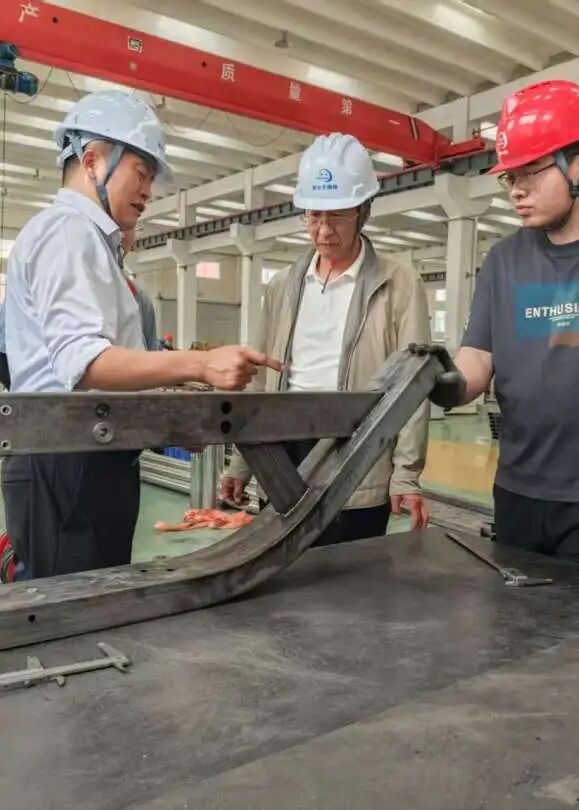
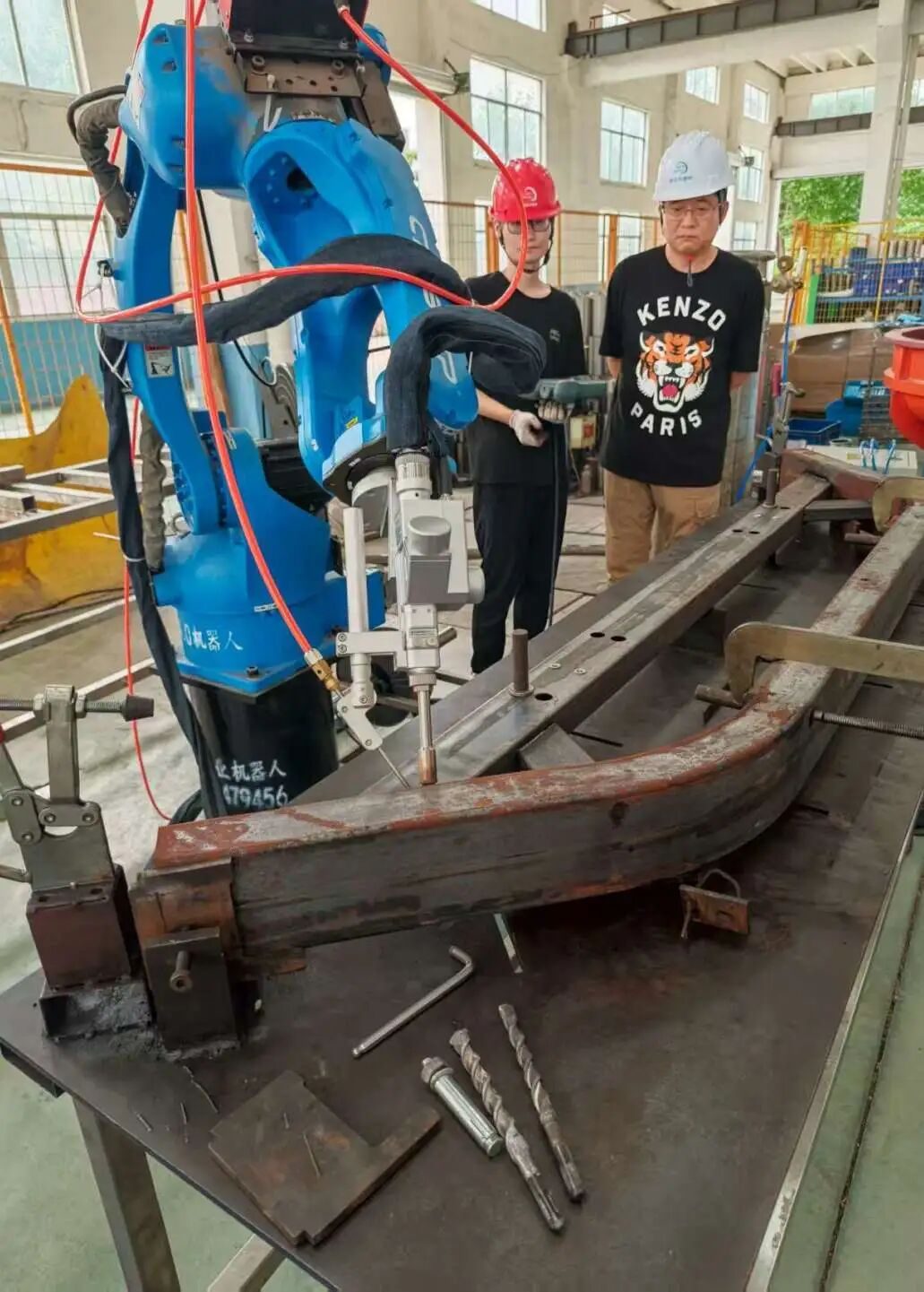
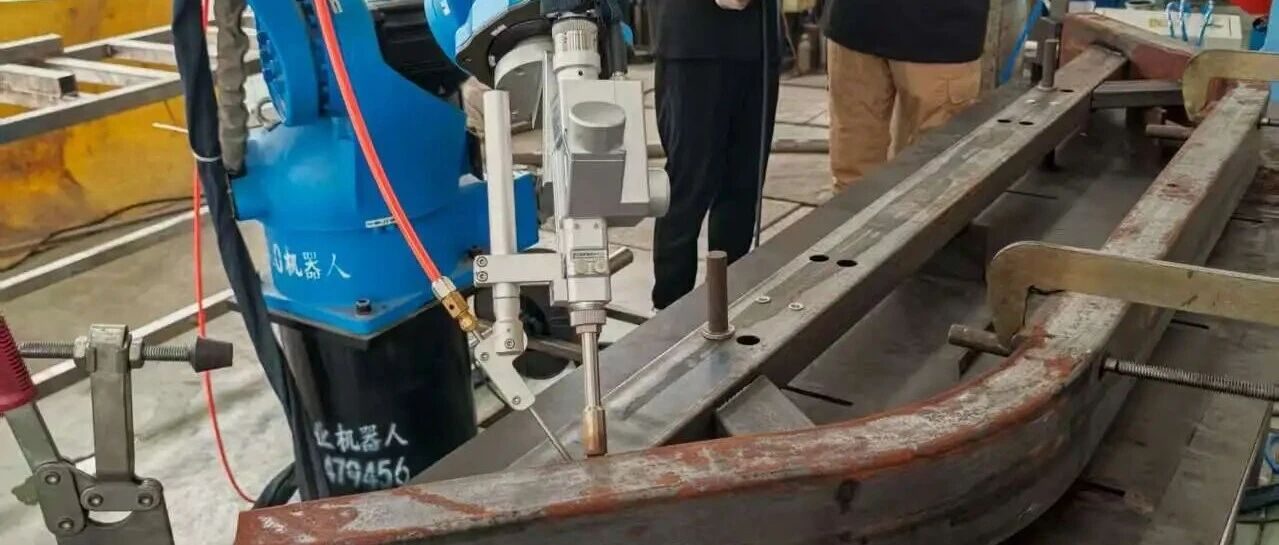
When a line fault appears, many first react to fix where it broke, patching it over like band-aid. That is not allowed here. Chairman Xiao demands peeling the onion, layer by layer through surface, back to the original bottom logic to eradicate the root. This essential mindset solves industrial problems and life troubles alike.
Chairman Xiao often uses a vivid example to enlighten staff:
Life Mini-Drama
The Urinal Valve That Would Not Shut Off
The office urinal valve often failed: after pressing it would not rebound and shut off, wasting water and flooding the floor. The usual fix is to replace the valve.
Chairman Xiao said: “We buy big brands; it cannot fail this often! Exclude the valve's own mechanical wear: what is its working principle? What physical factors most often cause it to jam and fail?” On the phone: “Manager Sun, please take tools and open the urinal valve to look.”... The valve core is a spring-return mechanism plus seals. If water carries impurities, they can clog or wear these precision moving parts, so the valve cannot close properly.
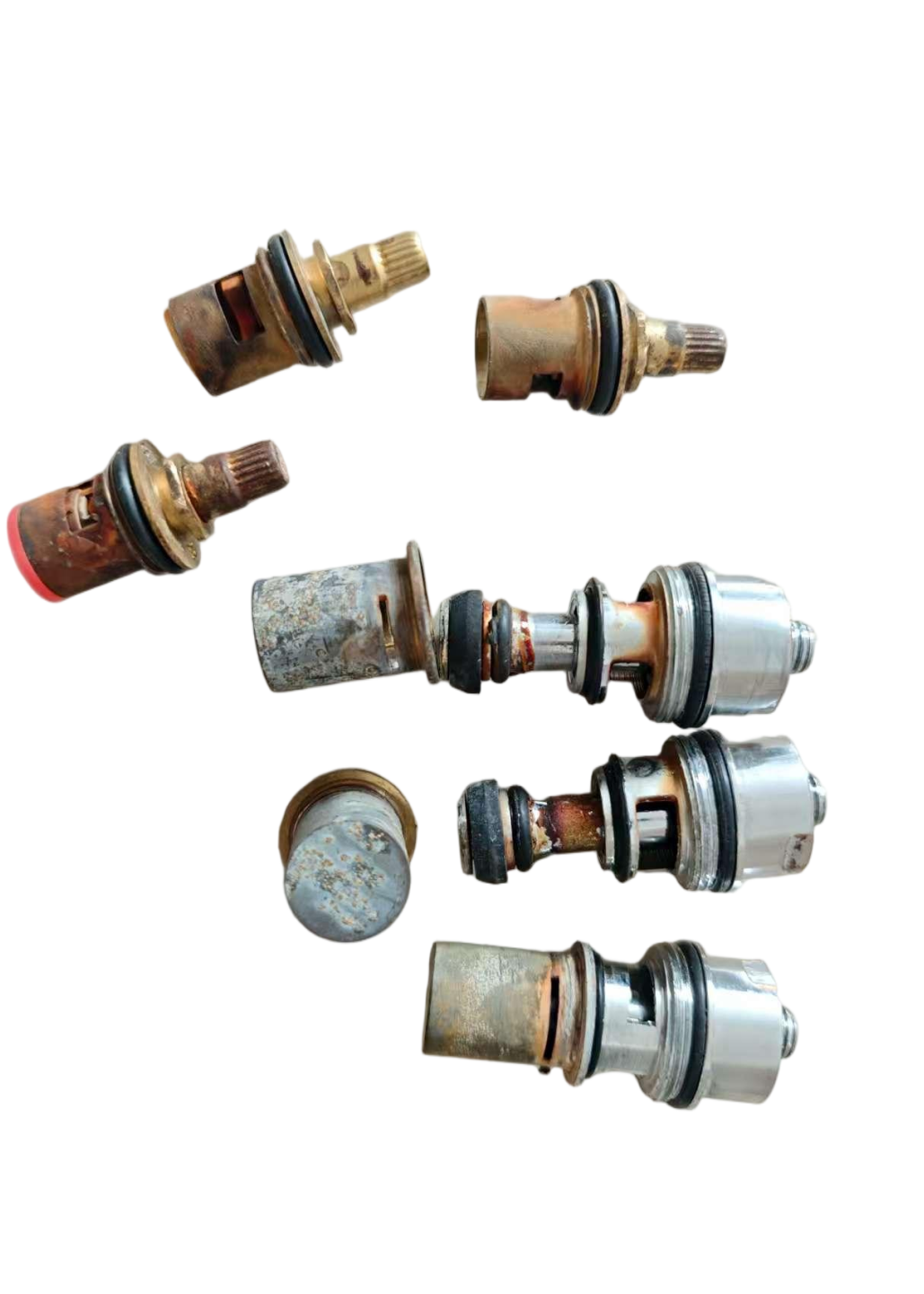
He then asked: “Is the water the problem?” Investigation found nearby water-main repairs often left sand and other fine particles in the water. These entered the valve and collected at the core and seal, causing jamming and wear.
Chairman Xiao did not stop at simple replacement but proposed a systemic solution:
Immediate response: after each main repair, maintenance staff at once take apart all valves for preventive cleaning, preventing sand buildup from permanent damage.
Precision repair: for damaged valves, whole replacement is rejected; matching valve cores, seals and other specific parts are found online, replacing only the smallest damaged unit, cutting cost to one-tenth.
Precision Repair
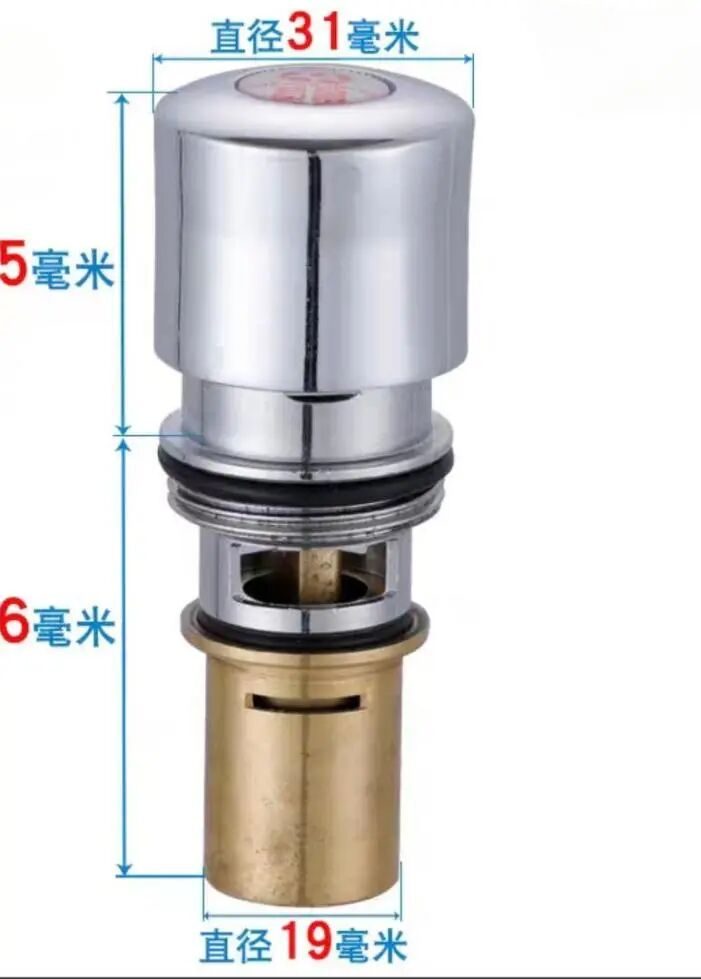
Root prevention: low-cost pre-filters are added to the building's water supply, intercepting sand at source and keeping water clean.
Driving progress: the analysis and solution are formally reported to the water company to drive its repair-procedure optimization (such as longer flushing and drain time), reducing such chronic ills at the industry level.
After this combined move, the problem was eradicated and maintenance cost dropped sharply.
“See, whether equipment or facilities, problem-solving logic is the same.” Chairman Xiao summarized: “Do not stay at replace! replace! replace!”; think deeply, take small matters to heart, treat symptoms and roots alike—even a small move can drive industry progress.”
This essential mindset shows even more clearly in classic factory cases:
Production Mini-Drama One
The Tube-Mill Commissioning Dilemma
The tube mill got a new die; after half a month's tuning it still could not make qualified tubes—wall uneven or ovality out of spec. Tuning staff adjusted roll gap, pressure and speed through the range, almost giving up.
On site, after careful observation and analysis, Chairman Xiao woke everyone with one line: “You were wrong at the first step! All adjustment rests on a wrong base—the die's initial zero position was never aligned!”
He put it plainly: “If the die is mounted off and zero position wrong, it is like driving the wrong way: the faster you go, the farther off you are; every parameter adjustment is wasted, even making it worse!” Some are very capable yet cause greater loss. Why? Because you were wrong from the start—the south-and-north-cart fable.”
He stopped all tuning and returned to the most basic start: re-find the absolute zero, calibrating every die mounting position, centerline and roll contact point to where theory places them, like re-aligning the machine's skeleton.
Every die base was precisely leveled and centered, ensuring from first roll to weld roll the whole line sits on one perfect straight line, releasing that invisible mounting skew.
He even anticipated how much the die expands when hot, deducting this thermal expansion during cold setup, so the machine runs more accurately when heated.
Result?
Once the root—zero position—was correct, only light follow-up tuning was needed; wall thickness and ovality reached top grade at once. Commissioning time dropped from 15 days to under one day, efficiency more than tenfold!
“Zero position is the root; a straight root grows a strong seedling. Zero position is the key; lift the key and all mesh opens.”
This line from Chairman Xiao exposes the true lifeline of complex equipment commissioning.
Production Mini-Drama Two
Random Size Fluctuation of the Cutoff Saw
The cutoff saw cut uneven lengths, long and short like a ghost, badly hurting delivery consistency and adding downstream work, and clashing with the company's near-net-shape philosophy. Sensor, servo motor and guide clearance were all checked with no issue; the team was directionless.
Chairman Xiao did not get lost in parameters but fixed on the most basic mechanical part—the feed ratchet system.
He ordered: “Take the ratchet off; check every tooth, spring and pin carefully! Problems often hide in these most basic mechanical parts!” Yet after checking, all said the ratchet was fine. Chairman Xiao took it, turned it slowly a few rounds, thoughtful, and said firmly: “The problem is here!”
He was right.
They found that when the ratchet turned very slowly, two rounds showed a very slight jam: one tooth root held an almost invisible burr (about half a hair's thickness), and the return spring had lost some strength.
This tiny fault caused a momentary stick-slip under high-speed repeated motion—inaudible and unfelt to people, yet Chairman Xiao could “see” this fleeting jam.
That micro jam let the feed mechanism slip a little at start or stop. Since jam timing and degree were fully random, cut lengths went random too.
“A thousand-mile dike falls to an ant hole; a size error stems from a hairline jam.”
With this live example Chairman Xiao warned the team: when a complex system fails, the root is often a small flaw on the most basic mechanical element. Many ignore these small matters, feeling nothing; whether you succeed often lies in them.
Closing
With the first-principles scalpel he dissects equipment and facility ills, achieving efficiency and quality leaps. But this is only chapter one. Hardware solved, how to shape the team's software soul and forge an unbreakable quality lifeline? See the next piece: Management Dialectic: Manage Cost and the Baseline, Organize Cognition and People—How to Achieve Quality Self-Governance?
Jobs: 0536-3351566
Partnership: 0536-3356888